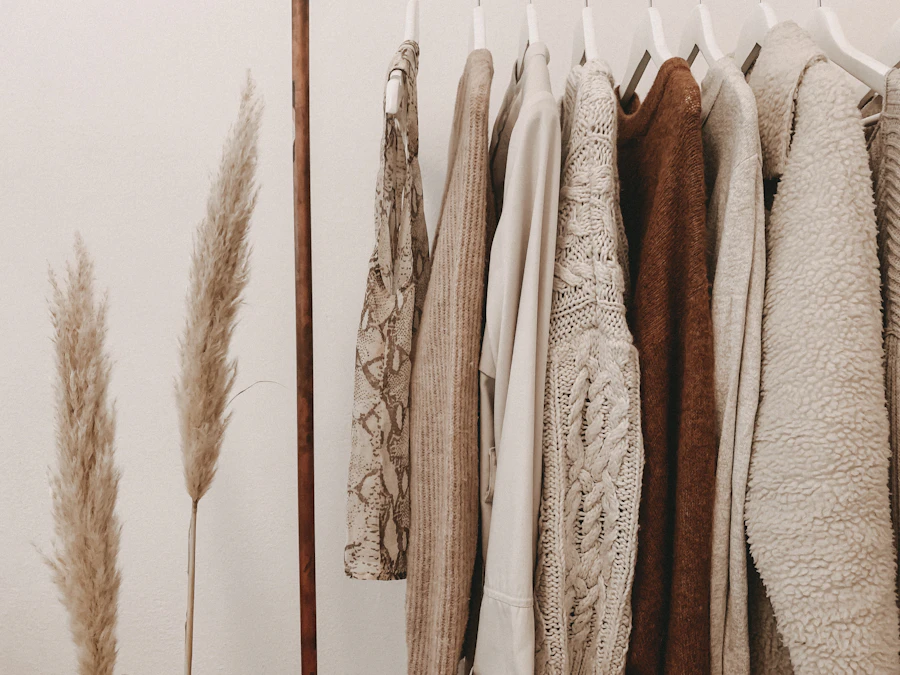
Fashion has always sat at the intersection of art and technology. Now generative AI is becoming part of the design studio itself — sketching silhouettes, predicting trends, and personalizing what we wear. Here's how algorithms are reshaping an industry built on human taste.
Algorithmic design: from prompt to pattern
Designers are using generative models as ideation partners. Feed a model a brief — "lightweight summer jacket, earth tones, technical fabric" — and it returns dozens of visual concepts in minutes. Beyond mood boards, generative tools can produce print patterns, color palettes, and textile motifs, and even propose pattern-cutting layouts that reduce material waste. The designer remains the creative director; the AI simply expands how many directions can be explored before a single garment is cut.
Trend forecasting with data
Predicting what customers will want next has traditionally relied on intuition and trade shows. AI adds a data layer: by analyzing runway imagery, social media, search trends, and historical sales, models can surface emerging colors, silhouettes, and themes earlier and with more confidence. This helps brands produce what will actually sell — reducing overproduction and markdowns.
Virtual try-on and personalization
Some of the most visible impact is at the point of purchase:
- Virtual try-on — shoppers see how garments look on their own body or a body-matched avatar, reducing returns and boosting confidence.
- Personal styling — AI recommends outfits tuned to a customer's taste, fit, and past purchases.
- Made-to-measure — generative design plus body scanning enables custom fits at closer to mass-market speed.
A more sustainable industry
Fashion is one of the world's most resource-intensive industries, and AI offers tangible levers to improve it. Better demand forecasting means fewer unsold garments. Generative design can optimize patterns to minimize fabric waste. Digital sampling — rendering photorealistic garments before any physical prototype exists — cuts the material, shipping, and emissions tied to traditional sampling rounds. Done right, algorithmic design isn't just faster; it's leaner and greener.
The human element remains essential
For all its power, AI doesn't understand cultural nuance, brand heritage, or the emotional resonance of a garment the way a human designer does. The winning approach is collaborative: AI handles breadth, iteration, and data; designers provide vision, taste, and meaning. Questions of originality and intellectual property also need clear answers, especially as models are trained on existing creative work.
The takeaway
Generative AI won't replace fashion designers — but designers and brands who learn to work alongside it will move faster, waste less, and serve customers more personally. The algorithm is becoming one more tool in the atelier, and the most creative houses are already learning to wield it.